
2026
Fertilizers of the Future –
The Nitrogen Revolution
First aired on: 12/0/.2026
Without synthetic nitrogen fertilizer, the high yields of industrial agriculture would be unthinkable. But its intensive use harms the climate. A global search is underway for climate-friendly alternatives. From revolutionary plasma reactors to bacterial fertilizers made from recycled urine to the vision of self-fertilizing grains—the approaches are as diverse as they are fascinating.
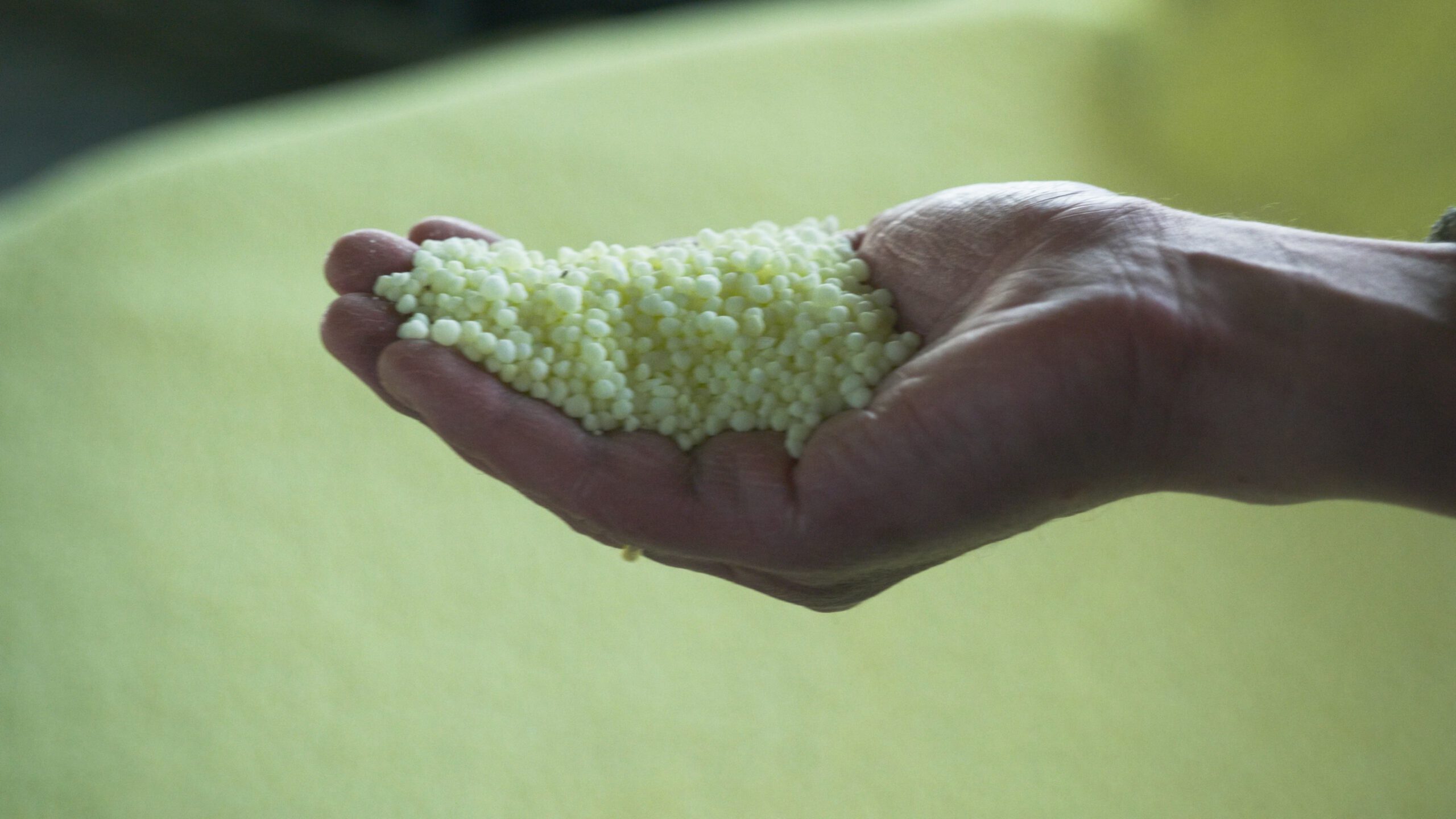
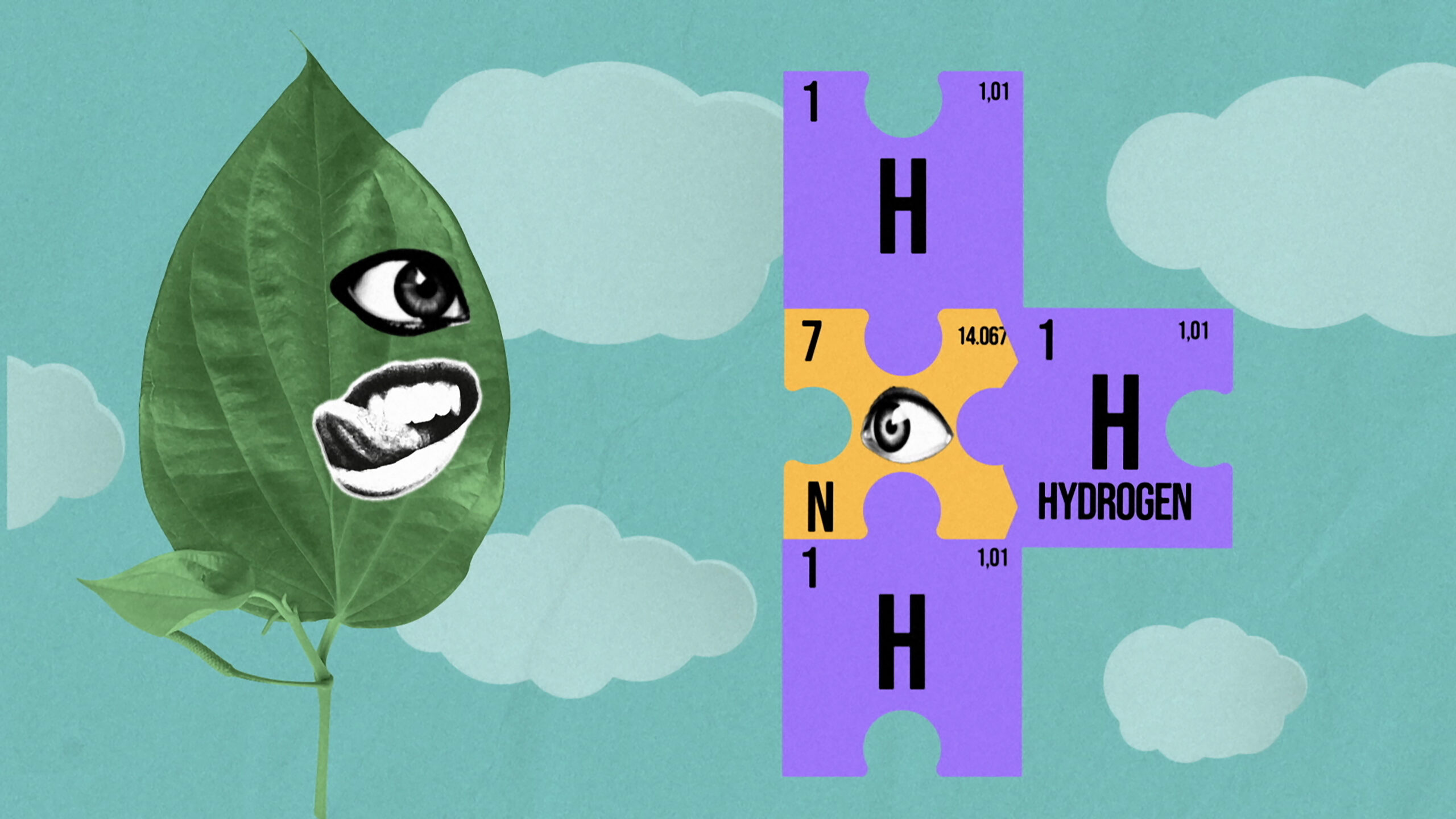
Plants need nitrogen to grow well. But this vital substance is not readily available in nature. To date, the Haber-Bosch process has been the method of choice for extracting nitrogen from the seemingly inexhaustible atmosphere and binding it in the form of ammonia, which is then used to produce fertilizer for modern agriculture. However, its production is extremely energy-intensive. And too much nitrogen harms the environment. How can a growing global population be fed without the massive use of fertilizer, which further accelerates global warming?
This documentary follows international research teams on their exciting quest for climate-friendly alternatives: In Graz, chemists are working to replace the energy-intensive Haber-Bosch process. Efficient plasma technology is expected to make it possible to extract nitrogen from the air in an energy-efficient manner. Start-ups in the U.S. and France are harnessing the power of microorganisms and using large quantities of recycled human urine in the process.
At the same time, biologists in Freiburg and Toulouse are unraveling the genetic mystery of ancient symbiotic relationships. Their ambitious goal: to genetically modify crops such as tomatoes and grains so that they form specific symbiotic relationships with bacteria, enabling them to obtain nitrogen directly from the air—just as legumes already do in nature. Are we on the verge of a new agricultural revolution?