
2023
Super Storage – power for the long term
First aired on: 18/02/2023
How can green electricity from wind and sun be stored for times when the sun is not shining and the wind turbines are idle? The science documentary accompanies researchers in the exciting search for new storage technologies: from hydrogen to carbon fibre flywheels.
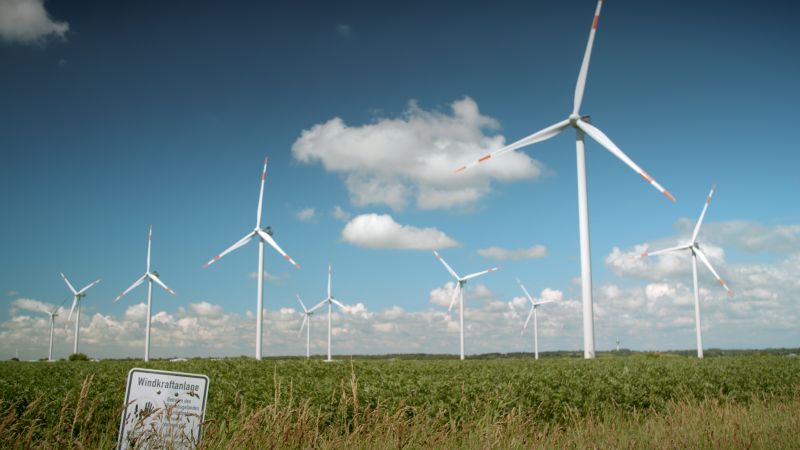
How can we store electricity from wind and solar power for times when the sun isn’t shining and the wind turbines stand still in calm weather? In order to prevent a climate catastrophe, coal power, gas heating, and gasoline engines will soon have to become a thing of the past. While it’s still possible to store energy from hydropower using reservoirs, things get trickier with wind and solar, because they don’t always produce electricity when it’s needed. Only if renewable energy can be stored will the transition to green power truly succeed.
How do energy storage systems work? Which technologies are already in use today, and which are still visions of the future? The science documentary “Super Storage – Power That Lasts” takes a behind-the-scenes look at the labs and start-ups developing the energy storage systems of tomorrow. Since the boom in electric vehicles, energy providers have also increasingly turned to large-scale batteries to store renewable electricity.
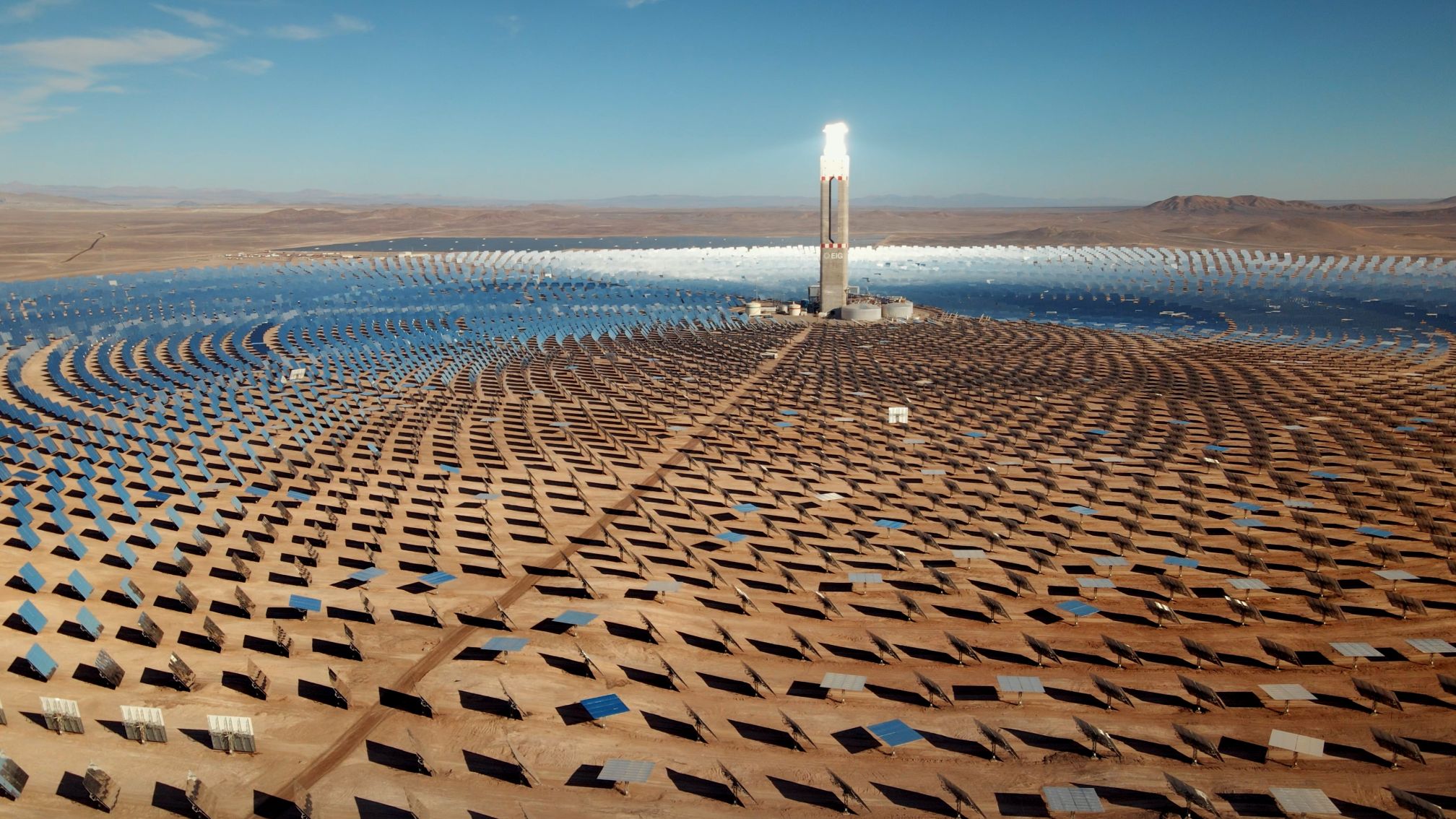
But research teams everywhere are working on alternatives that could be cheaper, more durable, or more environmentally friendly: carbon-fiber flywheels store energy for just a few seconds but help stabilize the power grid. Innovative osmotic storage systems could one day be built directly into wind turbine towers. Supercapacitors can be charged and discharged in milliseconds without wearing out. And in Chile, gigantic tanks of molten salt are already storing solar energy for use at night. But how effective are hydrogen storage systems for home use?
An exciting scientific journey through one of the most important and dynamic fields of research of our time.