Season 4
Who can pay for it?
WDR Report
First aired on: 04/03/2026 at 9:00 p.m. and in the WDR media library, 45 min
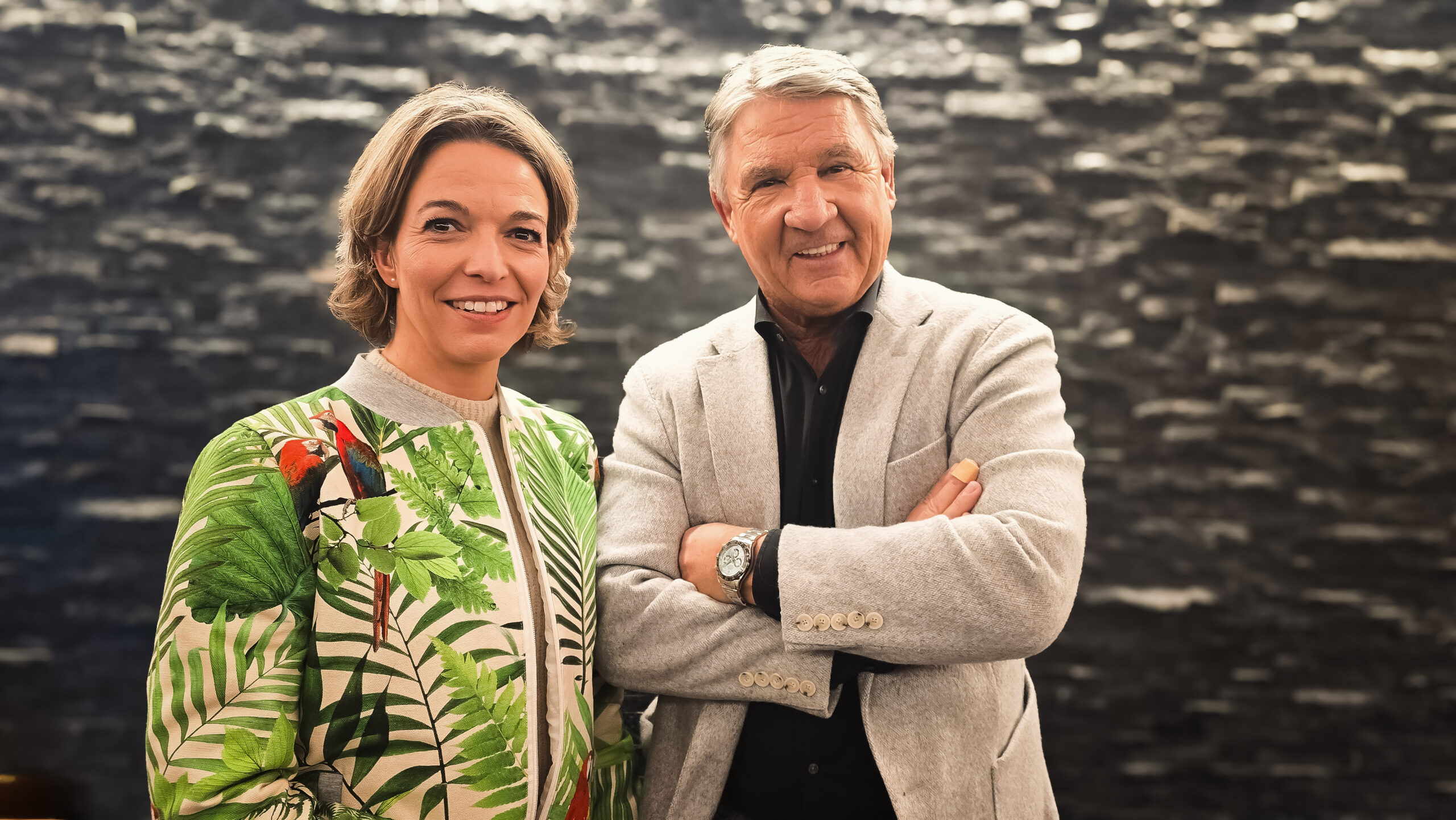
On Wednesday, March 4, 2026, the fourth season of the hit WDR documentary series „Who can pay for it?“. Anna Planken meets a wide variety of people in North Rhine-Westphalia and talks to them about money—from those who have to make do with very little to those who enjoy a comfortable lifestyle.
Anna Planken: „Actually, nobody really likes to talk about money—neither those who have a lot nor those who have little. We look where many people wouldn’t even let their friends look and ask: What determines whether I end up on the plus or minus side when it comes to money? How big are the differences in this country really?“
Episode 1 – Our Car! Between Cult and Crisis
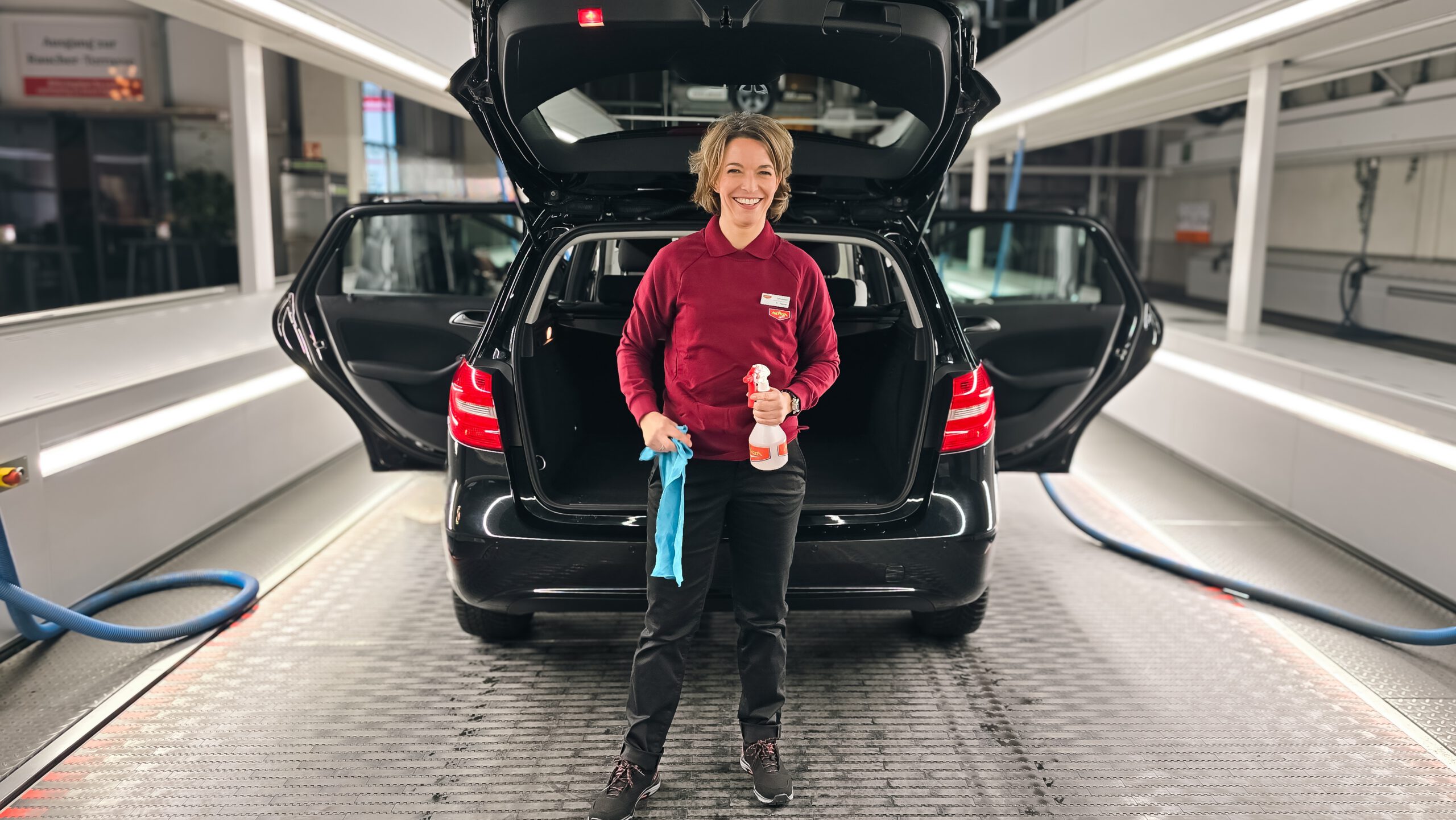
„Mr. Wash” is one of Germany’s most successful family-owned businesses. Anna Planken travels to Mülheim an der Ruhr to visit car wash magnate Richard Enning. His father opened Germany’s first car wash in Düsseldorf in 1964. Today, the company has annual revenue of 300 million euros. How does the entrepreneur manage to succeed despite difficult economic times, and who can afford an interior cleaning that costs 40 to 50 euros?”
The Ford plants in Cologne are in crisis. Are German cars still affordable? The Explorer and Capri electric cars are mid-range models and start at 45,000 euros. That price point clearly isn’t catching on; thousands of unsold new cars are sitting in inventory. And what will become of the people who have made their living from car manufacturing for decades? 20,000 people used to work at Ford in Cologne; soon there will be only 8,000. Anna Planken meets a woman who has worked in car manufacturing at Ford for over 20 years and has rejected the severance package. She is worried about the future and wants to fight.
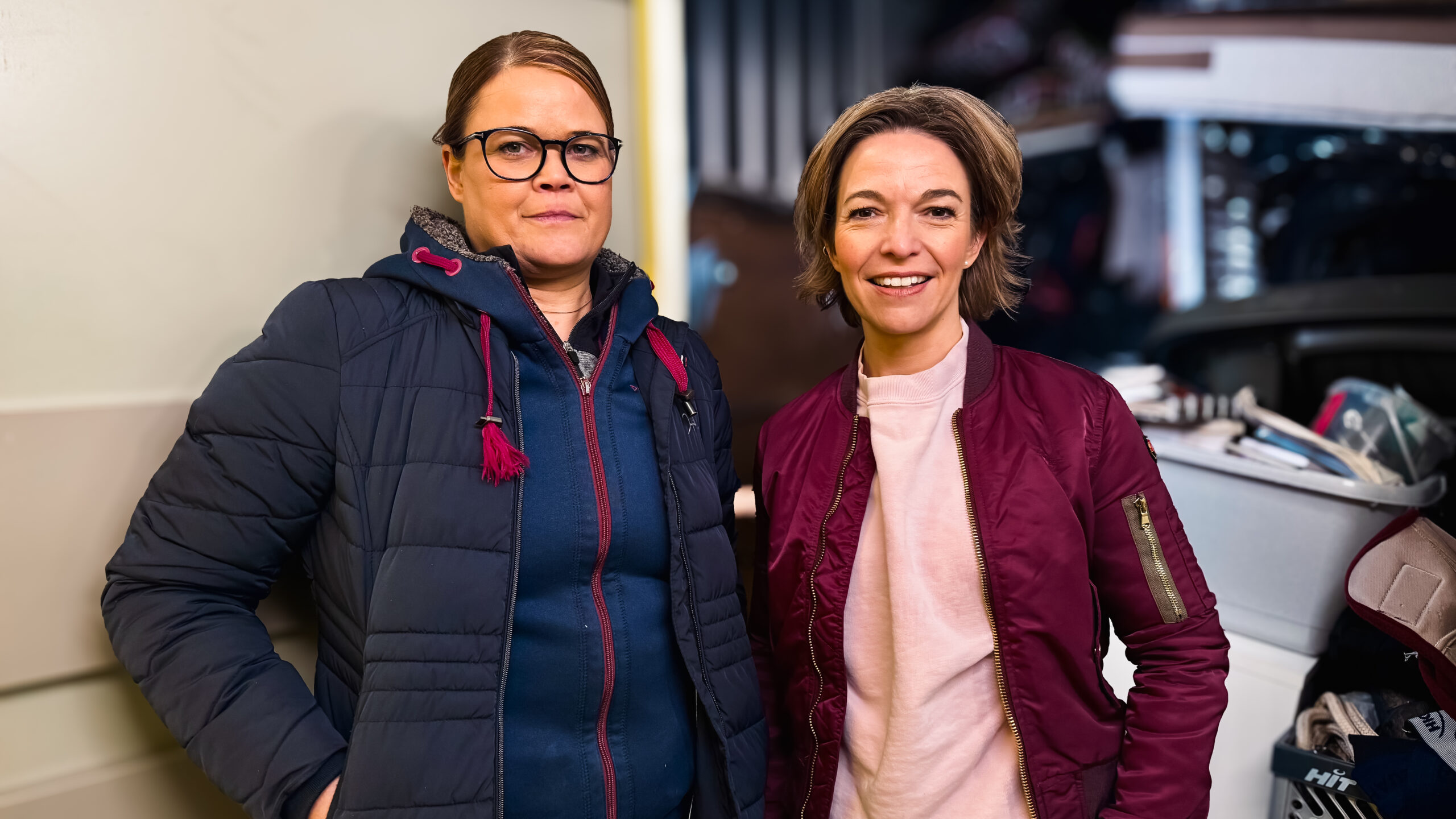
There have never been so many old cars on German roads. At the same time, maintenance and repairs at auto repair shops are becoming increasingly expensive. Who can afford that? Anna Planken heads to the Ruhr region and works at a junkyard in Herten. The business of old cars and their spare parts is booming.
Click here for the program in the WDR MEDIA LIBRARY.
Episode 2 – Stay fit! The price of good health
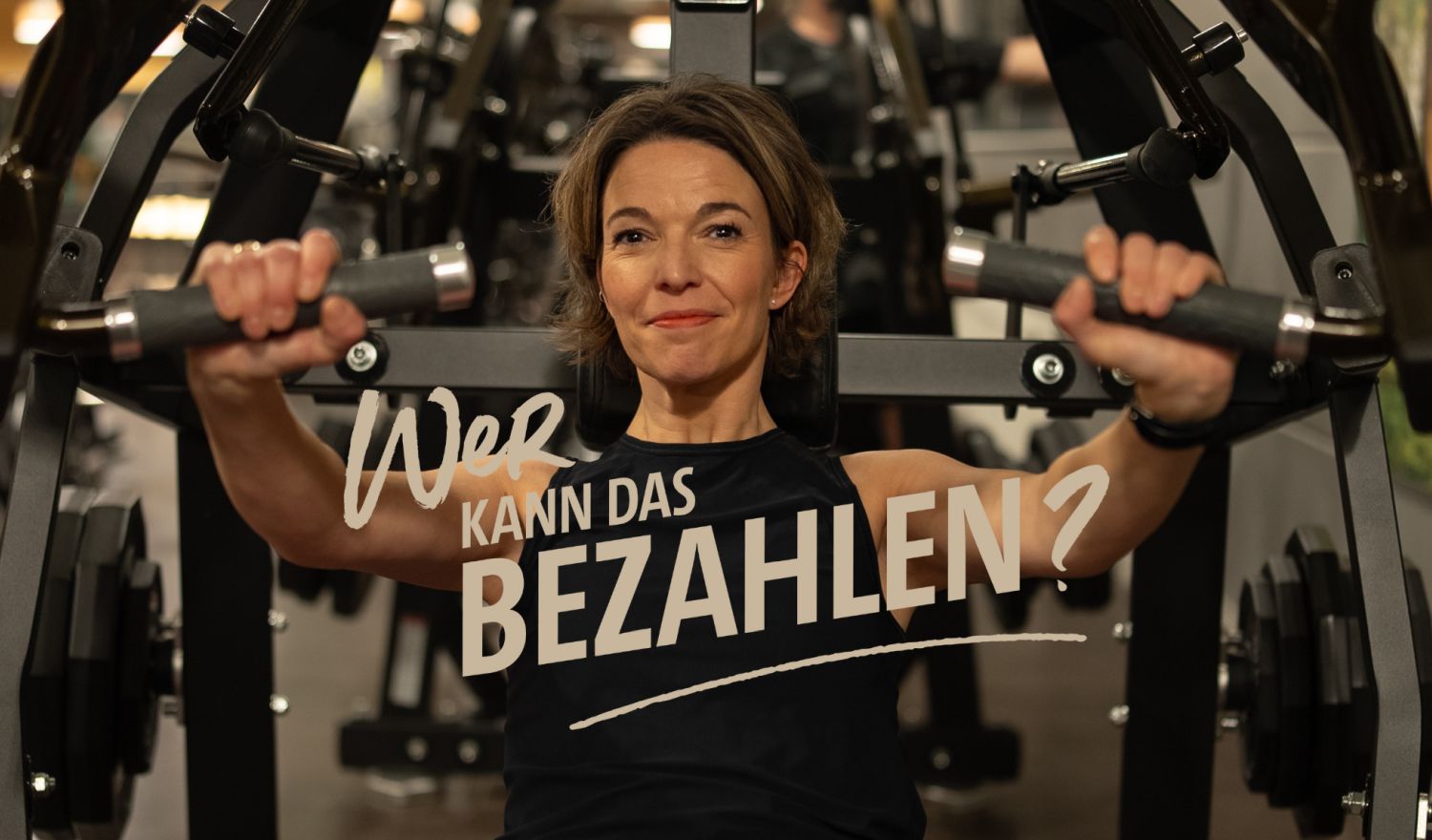
Gyms are setting new records year after year—in both revenue and membership numbers. Nearly 12 million Germans regularly visit a gym. Anna Planken meets Cologne-based entrepreneur Frank Böhme, who became a millionaire thanks to the fitness craze. He has been shaping the fitness industry for over 40 years and founded Just Fit, one of Germany’s largest regional gym chains. His latest concept: the “Next Door” gym—a digital fitness studio with no staff at all.
Germany spends more on healthcare than any other EU country. Health insurance is mandatory in Germany, yet the number of people without health insurance is rising. How does that make sense? Anna Planken meets a man who hasn’t had health insurance for 20 years and is struggling with the financial and health consequences.
Eighty public swimming pools close each year in Germany because local governments can no longer afford to keep them open. The result: At least 20 percent of 10-year-olds cannot swim, and there are long waiting lists for private swimming lessons. Anna Planken meets Martin Beckers. The successful entrepreneur founded the “Sharky” swimming school and is capitalizing on the shortage, as 45,000 children learn to swim with him and his team each year. Who can afford that?
Click here for the program in the WDR MEDIA LIBRARY.
Episode 3 – At the limit! Who pays when no one pays?
Only half of single parents regularly receive the child support they are entitled to from the other parent. That is why the federal and state governments pay out more than three billion euros in advance child support each year. Anna Planken visits the advance child support office in Essen. Here, 25 case workers are dedicated to ensuring that single parents receive their money. And when those obligated to pay refuse to do so, their detective work begins.
Schools in crisis mode — dirty classrooms, crumbling walls, dilapidated gyms. Anna Planken speaks with teachers who have to clean and renovate themselves and pay hundreds of euros out of their own pockets every year to ensure that quality education is possible.
More than 120,000 people are homeless in North Rhine-Westphalia, over 40 percent of whom are women. Anna Planken meets a woman who has been staying with friends on and off for the past two years to avoid living on the streets. She is a “hidden homeless” person. The state initiative “Endlich ein Zuhause” is currently helping her find a place to live again.
Click here for the program in the WDR MEDIA LIBRARY.
Season 3
Who can pay for it?
WDR Report
First aired on: 15/10/2025 at 9:00 p.m. and in the WDR Media Library, 45 min
You can feel it almost everywhere: Prices are rising in Germany, and so are our living expenses. In 2025, many households will also have less take-home pay than they did the previous year. Anna Planken meets people in North Rhine-Westphalia and talks to them about money —both those who have to make do with little and those who enjoy prosperity.
Anna Planken: “These are turbulent times, and many people are wondering: What should I actually focus on? Everyone wants a good life, but how do you achieve that? It’s hard to say. I’m always impressed by the many ideas and different ways of life in our country. People from all walks of life give us a glimpse into their personal paths to happiness and financial success. Who can get the most out of life, and how? I love these real-life stories to look at, emulate, and marvel at.”
Episode 1 – Please pay. Everyday life with a surcharge
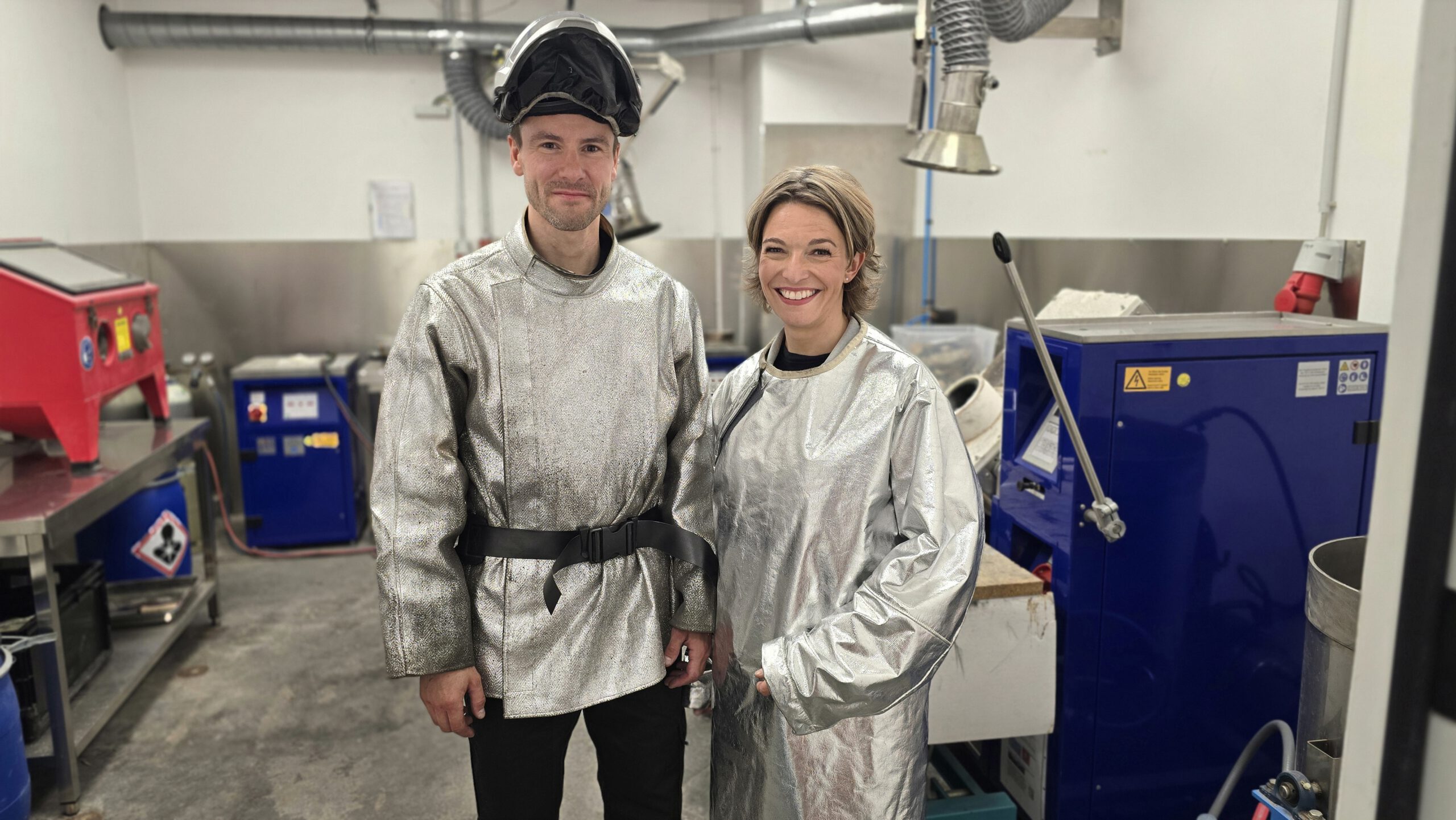
Gold – in times of economic uncertainty, prices keep hitting new highs. Anna Planken visits Christian Moroder’s gold refinery in Essen. Here, gold is purchased, processed, and resold. Moroder is swamped with customer orders. Anna wants to know: should one sell their gold for cash, or invest money in gold? For many young people with low incomes, however, the questions are quite different: As everyday life becomes increasingly expensive—what can we afford and what can’t we? Should we go out partying or buy groceries? Prices for both have risen sharply. Anna Planken visits Club Tresor.West in Dortmund, which is fighting for its survival, and learns how Club Garagen in Cologne manages to survive without charging an entrance fee. And: Anna Planken meets entrepreneur Inga Koster, who generates millions in revenue with smoothies through her company True Fruits in Bonn. Who can afford the expensive bottles? And what does it mean to her to be so successful and earn so much money?
Click here for the program in the WDR MEDIA LIBRARY.
Episode 2 – Treat yourself! When luxury beckons
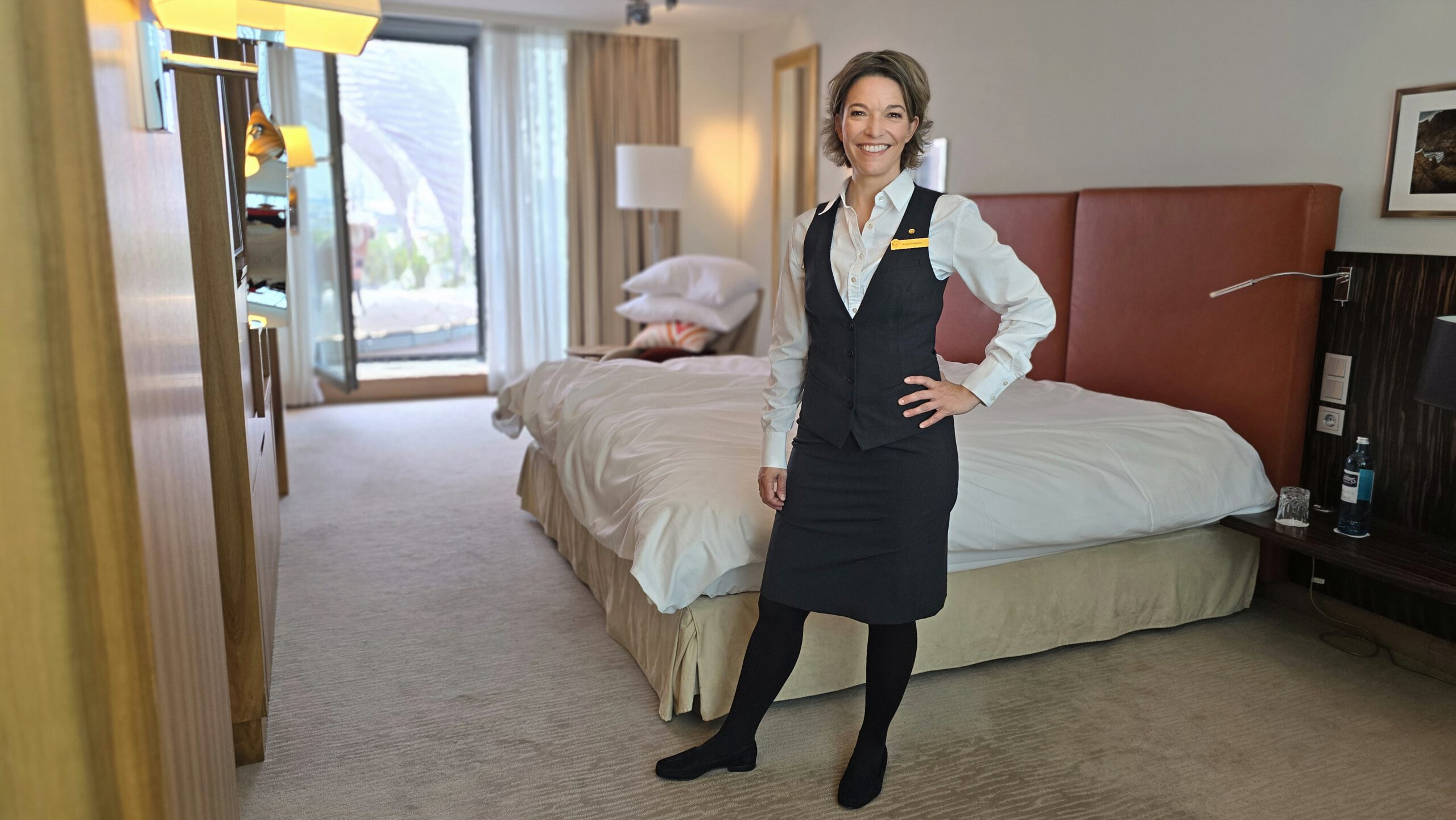
The luxury hotel KÖ59 on Königsallee in Düsseldorf is one of the highest-grossing hotels in Germany. The presidential suite here costs 4,500 euros per night. Anna Planken wants to know who can afford that and works a shift with the housekeeping team, which fulfills every guest’s wish. She speaks with Dirk Iserlohe, the head of Dorint Hotels, about luxury and growth in times of crisis. And she continues her journey through North Rhine-Westphalia from the Rhineland to the Münsterland region. Here, a luxury product originally from Japan is produced. Anna Planken visits a farmer in Münster who sells the finest meat in the world: a teppanyaki cut of Wagyu beef for 500 euros a kilo is something you’d hardly find at a regular butcher’s counter. What is luxury? It’s not always just material wealth. For more and more people, luxury means working less. Flexible work schedules are gaining importance. The furniture chain XXXLutz, for example, is one of the pioneers in Germany with its 4-day workweek option.
Click here for the program in the WDR MEDIA LIBRARY.
Episode 3 – Work! What we earn
Easy money — is it unfair or just smart? Anna Planken meets influencer Karina Kipp. With eight million followers on TikTok, she’s a real big deal by German standards. But what does that mean for her income? Is she getting rich from it? And who in our society still does the jobs that are less prestigious and pay less? Felix is a building cleaner. It wasn’t his dream job. Today, he’s a master craftsman, trains apprentices himself, and fights against prejudice. How fair is it in Germany? Does everyone earn what they deserve? The number of millionaires has been rising for years. Anna Planken meets multimillionaire Josef Rick. He belongs to the top one percent of society and speaks openly about the fact that he pays almost no taxes. At the same time, he calls for higher taxes on the wealthy. How does that add up?
Click here for the program in the WDR MEDIA LIBRARY.
Season 2
Who can pay for it
WDR Report
First aired on: 12/2025 at 21:00 and in the WDR MEDIA LIBRARY, 45 min
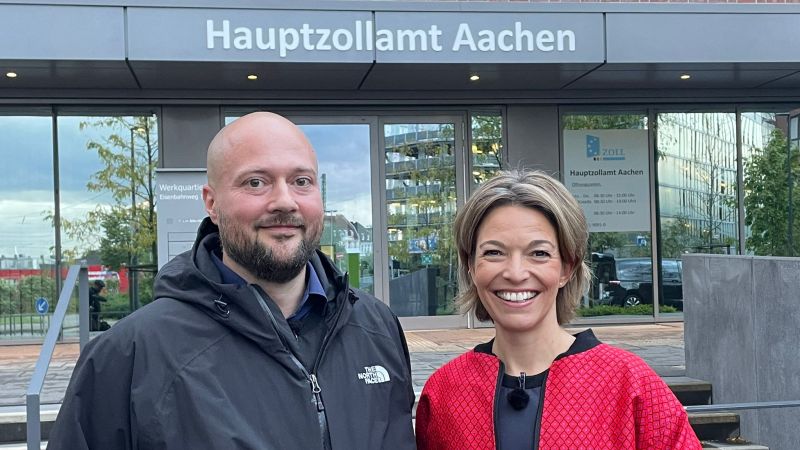
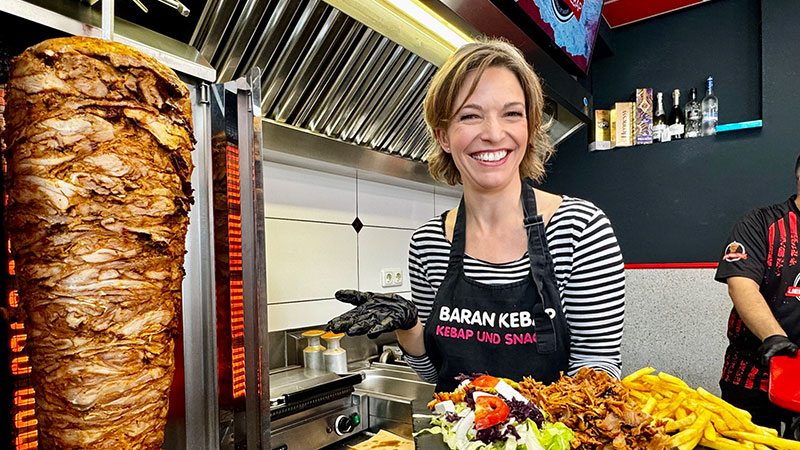
Anna Planken meets a millionaire who rarely shows his face in private. It is the man at the head of the most successful costume retailer in Germany – Herbert Geiss. At the age of 19, he becomes managing director of Deiters. He expanded the company into a million-dollar business. But he had to make a lot of sacrifices in his private life. What drives the entrepreneur and what is the secret behind his success? In Uedem on the Lower Rhine, Anna Planken spends a day working in one of the oldest kebab restaurants in North Rhine-Westphalia, founded in 1987. Today, Ercan Baran’s kebab costs 7.30 euros, whereas his father used to sell it for 3.90 euros. Anna Planken visits the Bielefeld prison, because this is where people who have driven illegally end up. The German state spends 150 times more money on them than the fare dodgers owe it. It is estimated that a total of 200 million euros is spent on these substitute prison sentences.
Click here for the program in the WDR MEDIA LIBRARY.
Episode 2 – Wish and reality
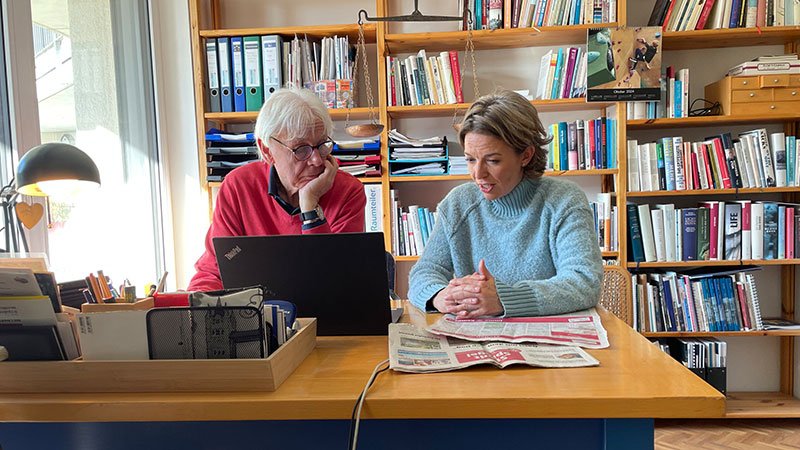
The cost of pets has risen dramatically. But what do those who have no money left for their pet do? Anna Planken visits a veterinary practice to find out why costs are rising. Pet owners here pay an average of 2 to 300 euros per month for dogs and cats. Old-age poverty or boredom: More and more people of retirement age are working full-time or in mini-jobs. Anna visits the “Mäuse für Ältere” association in Essen – everyone here is retired but still working. Some because they have to, others because they want to. And as there is no job exchange for older people, they have set up one. Anna Planken is a plastic surgeon. Dr. Chi Bösenberg-Pham was a senior physician at a hospital and has set up her own cosmetic surgery practice. Never before have there been so many operations in Germany as last year. The young doctor benefits from this because some customers don’t even ask about the price.
Click here for the program in the WDR MEDIA LIBRARY.
Episode 3 – How much is enough?
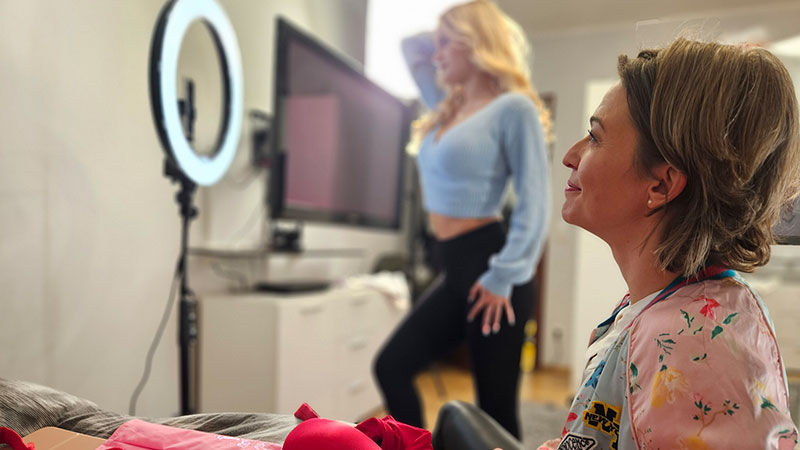
A fortune is made every year in Germany with sex toys and lingerie – 1.4 billion euros. Anna Planken visits a young woman who wants to get started with porcelain sex toys. Alina Eynck founds her own company while still studying design and takes out a loan of 50,000 euros. Will the fine dildos find a market? The number of children living in poverty has been rising sharply for five years. The Ruhrtal-Engel team in Witten cooks for 20 primary school children every day and Anna Planken cooks with them. These are children from needy families who are looked after here in the afternoon. While some barely know how to make it to the end of the month, Anna encounters a world of luxury in Goch on the Lower Rhine. Once a year, millionaires from all over the world gather there to buy really good show jumpers at Holger Hetzel’s auction. He is one of Germany’s show jumping elite and specializes in trading luxury horses.
Click here for the program in the WDR MEDIA LIBRARY.
Season 1
Who can pay for it
WDR Report
First aired on: 10/04/2024 at 21:00 and in the WDR MEDIA LIBRARY, 45 min
Episode 1 – Rich and poor
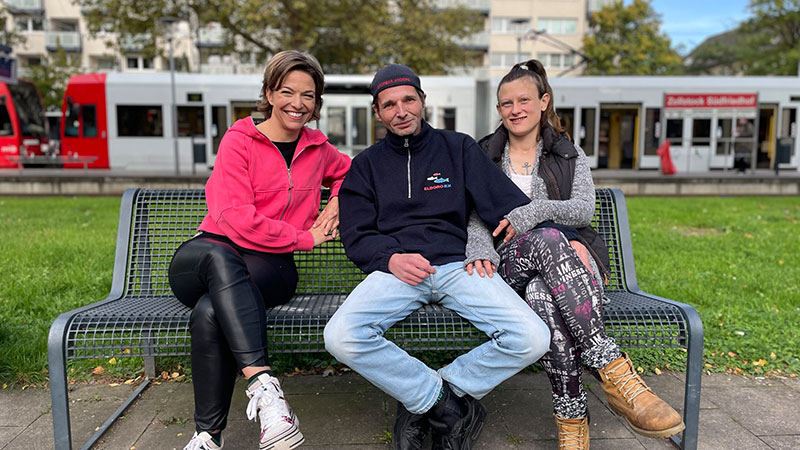
How much money do people have left to live on at the end of the month after deducting all expenses? Is it too little, just enough or a lot of money? Never before have so many people in North Rhine-Westphalia had a second job. Anna Planken meets a young woman who earns more than three times as much with erotic photos on the OnlyFans platform as she does in her main job. In Germany’s oldest pawnshop, in Krefeld, more than 100 customers a day borrow their valuables, all of them in urgent need of money. But even during the crisis, there are people in NRW who have a lot of money. Anna Planken wants to know what millionaires are doing with their money. For example, spending 1.5 million euros on a mobile home, because at Volkner in Wuppertal there is no upper limit.
Click here for the program in the WDR MEDIA LIBRARY.
Episode 2 – Dream and reality
Once all the bills have been paid, there is at best something left over for pleasure. But can people still afford it? Anna Planken meets BVB fans in her home town of Dortmund who spend several thousand euros on their hobby. Is being a soccer fan still affordable? And what if you don’t have any money left over for leisure? In Münster, an association helps impoverished pensioners and Anna Planken can give an elderly lady a special surprise. From bricklayer to millionaire – this is the life story of Denis Klapschus. Anna finds out from him how he became an artist and how much you have to pay for his paintings.
Click here for the program in the WDR MEDIA LIBRARY.
Episode 3 – Prosperity and the struggle for existence
Saving – who can still do that? And what is actually left for later? Anna Planken meets people who take risks and invest. For some, the money isn’t even enough to live on. Anna Planken spends a day with Alexandra, who sits on the floor of Bochum’s Kortumstraße begging and knotting bracelets. What does the crisis do to those who are poor? Anna accompanies a young woman to an apartment viewing. She wants to buy her ninth apartment, which means she will be 35 years old and already have enough to live on in old age. In times of crisis, one sector in particular is booming – gambling. Anna Planken takes a look inside the empire of one of Germany’s richest men. Paul Gauselmann is a billionaire and the market leader with his company Merkur. He operates 800 casinos worldwide and calls himself the king of slot machines.
Click here for the program in the WDR MEDIA LIBRARY.